In the spring of 1607, three wooden ships—the Susan Constant, the Godspeed, and the Discovery—dropped anchor in the murky waters of the James River in modern-day Virginia. Carrying 104 men and boys, the expedition laid the groundwork for Jamestown, the first permanent English settlement in North America.
Today, Jamestown is celebrated as a pivotal origin point of the political and economic systems that eventually formed the United States. Yet, behind its historic legacy lies a story of speculative corporate ambition, catastrophic financial loss, and an accidental agricultural boom that reshaped the global economy.
The Corporate Blueprint: King James I and the Royal Charter
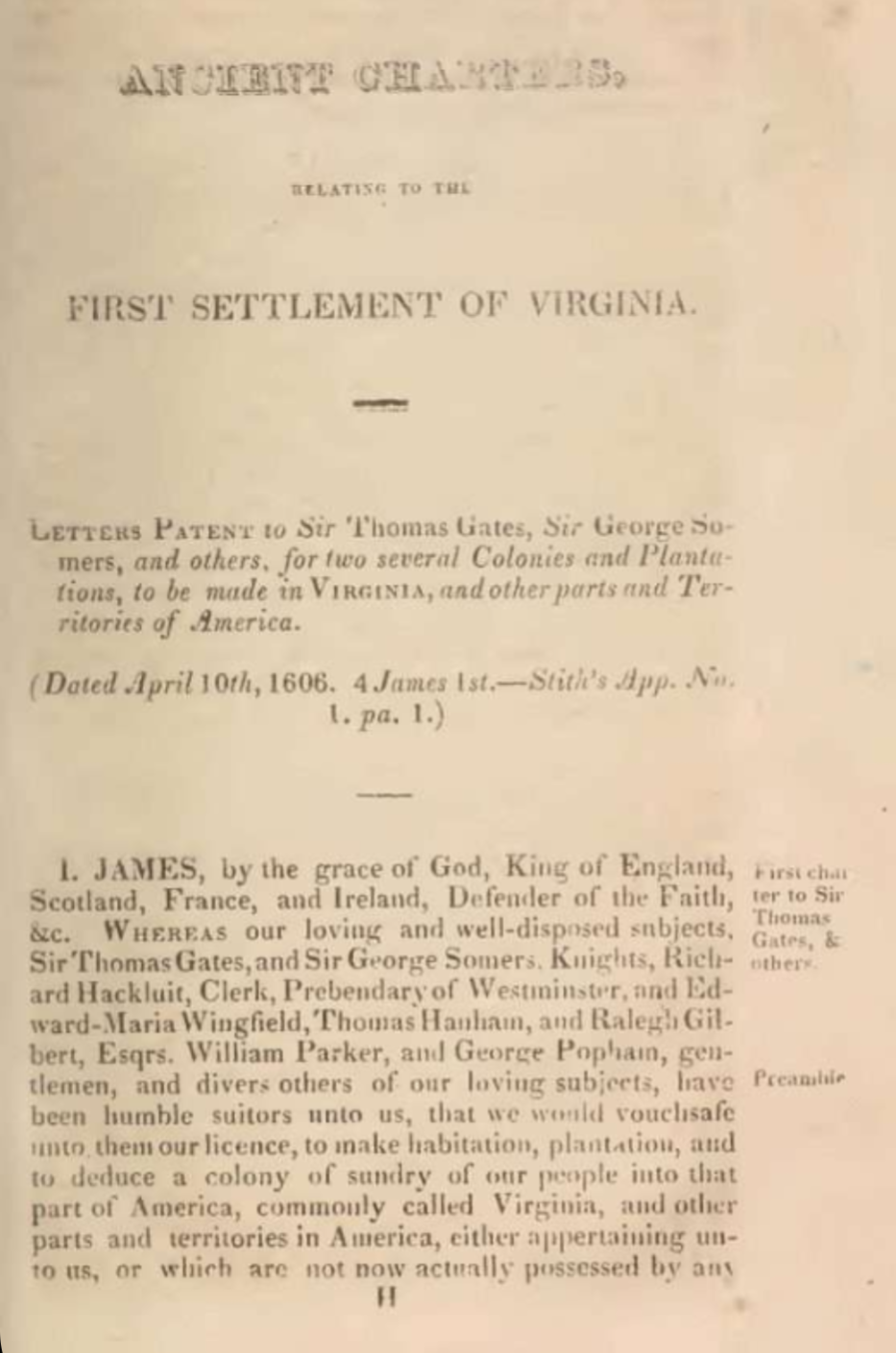
Unlike Spain’s colonization efforts, which were financed directly by the Spanish Crown, England’s entry into North America was driven by private capital. In April 1606, King James I issued the First Charter of Virginia, establishing a commercial enterprise known as the Virginia Company of London.
King James aimed to establish an English footprint in the Americas to challenge Spanish dominance, expand trade networks, and secure strategic footholds—all without spending taxpayer or royal money. In exchange for granting exclusive settlement rights and trading monopolies between the 34th and 41st parallels, the King claimed a direct royal cut: 20 percent of all gold and silver discovered, plus a percentage of copper.
High Expectations and Human Catastrophe
The 104 settlers who departed England in December 1606 were recruited by the Virginia Company with promises of fast wealth, land grants, and new opportunities. The venture was structured like a modern venture-capital investment. Wealthy London investors bought shares in the company, expecting rapid, outsized returns from three primary goals:
Precious Metals: Uncovering gold and silver mines similar to Spain’s vast finds in South America.
The Northwest Passage: Locating a navigable waterway short-cutting to the wealthy trading markets of Asia.
Commodity Export: Shipping timber, pitch, glass, and exotic spices back to Europe.
Upon arrival in May 1607, reality shattered these expectations. Virginia yielded no gold. Settlers squandered vital weeks digging up iron pyrite—”fool’s gold”—and searching for passage to the Pacific rather than planting crops or building secure defenses. Combined with bad water, rampant disease, and direct conflicts with the powerful Powhatan Confederacy, the colony plummeted into ruin. During the brutal winter of 1609–1610 (the “Starving Time”), nearly 80 percent of the colonists perished.
The Corporate Collapse: Why the Investors Lost Everything
For the initial financial backers in London, Jamestown proved to be a financial disaster. To keep the starving colony alive, the Virginia Company had to continuously dispatch expensive supply fleets and fresh waves of settlers, burning through capital with virtually zero yield.
By the early 1620s, the company was hemorrhaging money. The situation reached a breaking point in 1622 when a major offensive by the Powhatan Confederacy killed roughly one-third of the English population in Virginia, devastating infrastructure and halting operations. Overwhelmed by debt, internal mismanagement, and mounting casualties, the Virginia Company collapsed into bankruptcy.
In 1624, King James I revoked the company charter and transformed Virginia into an official Crown Colony. The initial London investors lost their entire investment.
“Green Gold”: Tobacco Becomes America’s First Boom Economy
Ironically, just as the Virginia Company was collapsing, the colony stumbled upon its economic salvation: tobacco.
In 1612, a colonist named John Rolfe introduced sweet, mild tobacco seeds imported from the West Indies. Virginia’s rich coastal soil and warm climate proved ideal for cultivation.
When Rolfe exported his first harvest to London, European demand exploded, giving Virginia its first viable, highly profitable export commodity.
Tobacco completely transformed the economic landscape of North America:
- Land and Labor Systems: Tobacco farming required vast acreage and rapid expansion, driving colonial encroachment onto Indigenous hunting grounds and farmlands.
- Social and Institutional Shifts: To incentivize colonization, the Headright System was introduced, offering 50 acres of land to anyone who paid for a settler’s passage. This laid the foundation for private land ownership and large plantations.
- Forced Labor: The intense labor demands of tobacco production led Virginia from reliance on European indentured servants to the introduction and entrenchment of chattel slavery, beginning with the arrival of the first enslaved Angolans in 1619.
The Legacy of 1607
Jamestown was born from a failed financial enterprise, yet its institutions outlasted the company that financed it. In 1619, the settlement established the House of Burgesses—the first elected legislative body in the Western Hemisphere—setting a precedent for representative government.
Though the original backers of the Virginia Company never saw a return on their capital, the commercial, political, and agricultural systems established in Jamestown between 1607 and 1624 set off a chain reaction that ultimately birthed the economy and society of the United States.